How a shot gets made
From cast to cut.
-
SC 01
Your keys. Their prices.
Director's Chair doesn't resell renders. You connect your own accounts with the model providers and pay them directly — no markup, no credits, no subscription to burn. The app shows the price before every render.
-
SC 02
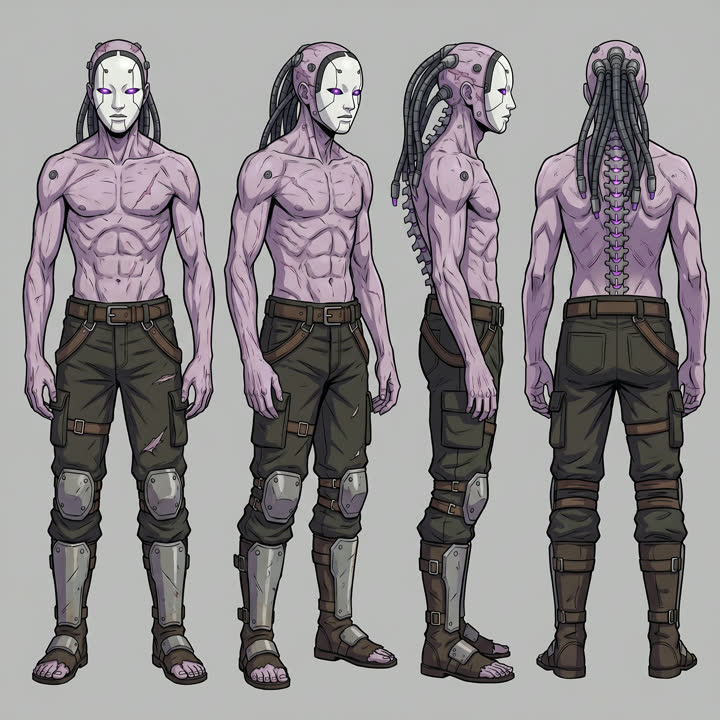
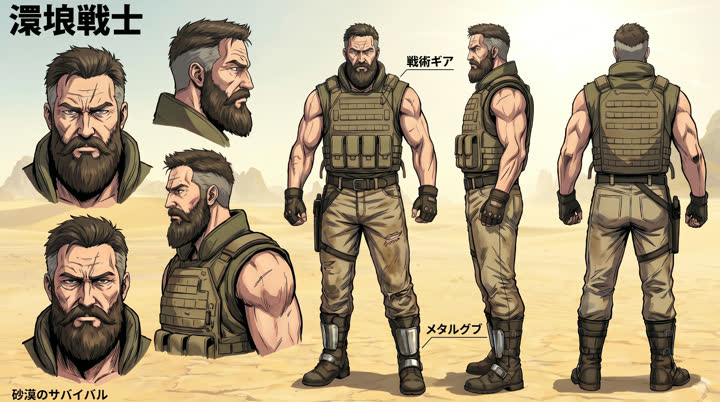
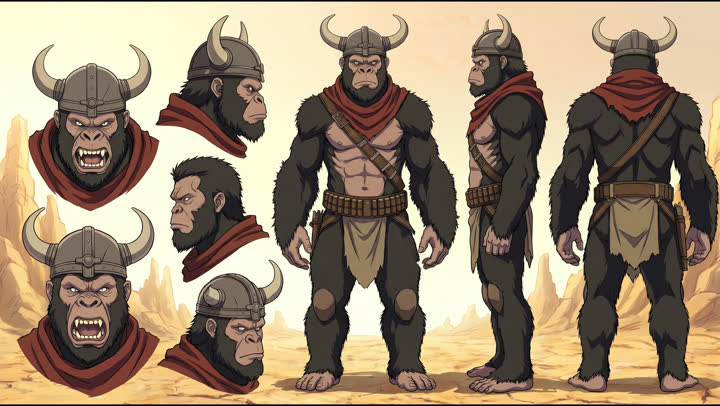
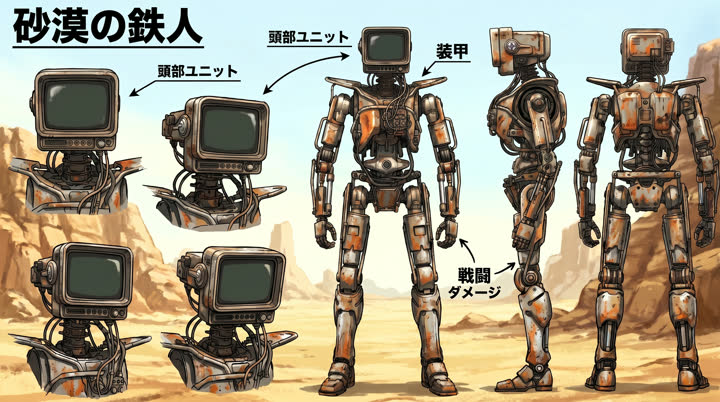
Cast your characters.
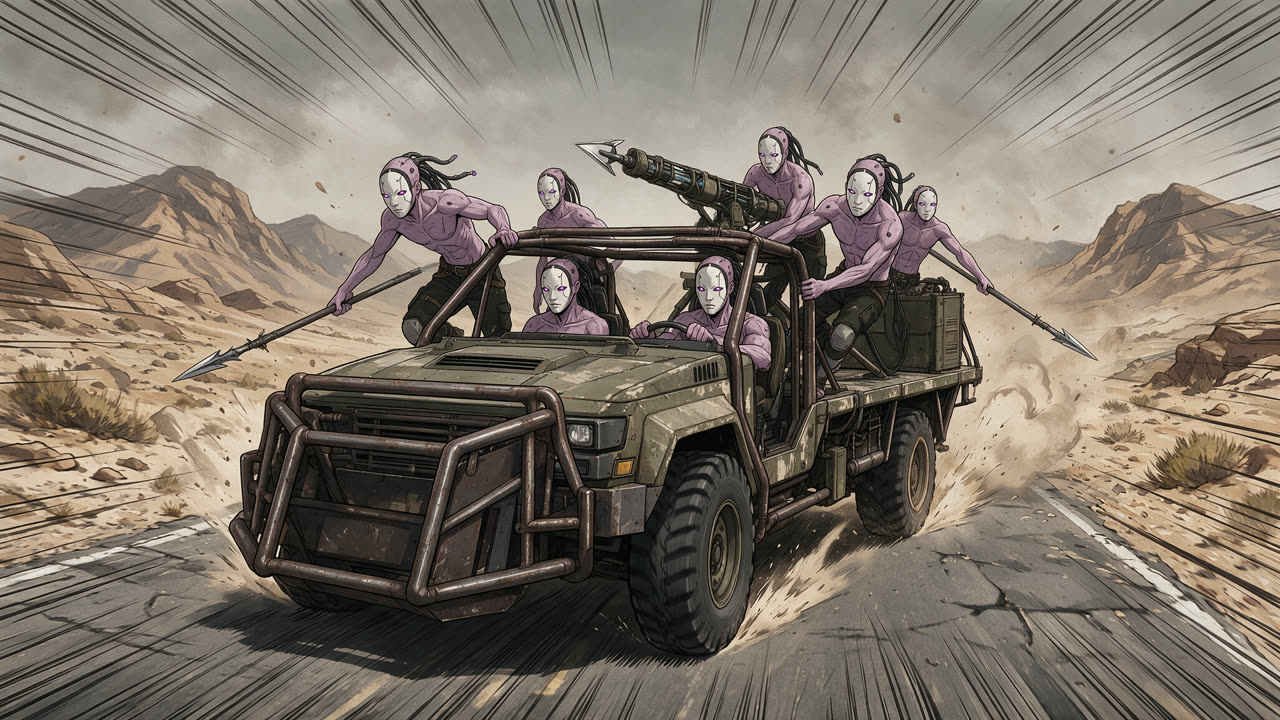
Every character gets a sheet. Tag them in a prompt —
@Char.white_mask— and they show up on-model, shot after shot, instead of whoever the model imagines today. -
SC 03
Frame the shot.
Block the scene in 3D, pick the lens, and generate the keyframe from your cast and your layout. Revise it, re-roll it, or redraw it on another engine until it's the frame you pictured.
-
SC 04
Draft the performance.
Roll quick, cheap takes to find the blocking and the timing — where she raises the fist, when she points, when the line lands. Keep the take that plays. On your own GPU, drafts are close to free.
Draft · MiniMax H3
-
SC 05
Then make her act.
Hand the take you kept to Seedance as the reference. Same blocking, same timing — but now she performs the line: breath, anger, a voice that's hers every time she speaks. Turn the sound on for both. That's the difference.
Finish · Seedance 2.0 · your character's cloned voice
-
Out 
In SC 06
Keep it rolling.
The next shot picks up where the last one left off — the same moment, the same momentum — so a sequence plays as one continuous piece instead of a string of separate clips.
-

SC 07
Cut the film.
Trim, reorder, score and grade on a real timeline, then export the film. Everything stays editable — swap a take and the cut updates.